What Is Drink Spiking?
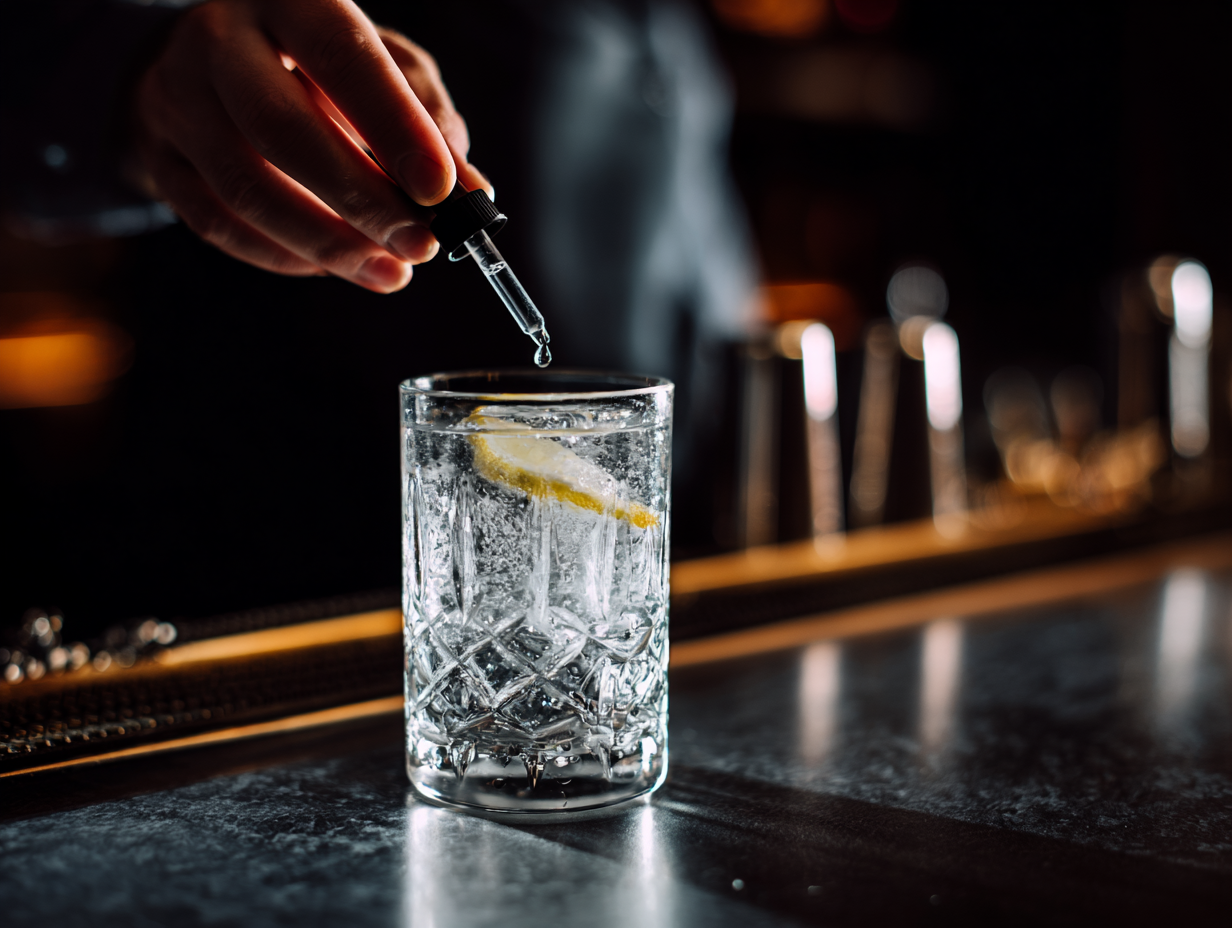
Drink spiking is when alcohol, drugs or another substance is added to someone’s drink without their knowledge or consent. It can also include giving someone more alcohol or drugs than they agreed to.
Spiking is a serious crime. It may be carried out for different reasons, including robbery, humiliation, control, physical assault or sexual assault. Whatever the motive, the person affected is never to blame.
Spiking can happen to anyone, anywhere. It is often associated with bars, clubs, festivals and student nights, but it can also happen at private parties, work events, on holiday, or in other social settings.
Many incidents go unreported because people feel embarrassed, confused, frightened, or cannot clearly remember what happened. Reporting suspected spiking is really important, even if you are unsure, because it can help police identify patterns, hotspot locations and emerging trends, as well as supporting any investigation. Even if too much time has passed for testing, reporting can still help. The more incidents that are reported, the better equipped authorities are to tackle drink spiking and protect others.
Drink spiking can involve many different substances. Alcohol itself is one of the most common substances used, i.e. adding extra alcohol to someone’s drink without their consent. Other substances associated with drink spiking and drug-facilitated crime may include sedatives, dissociatives, stimulants and other drugs that can affect awareness, memory, movement or decision-making.
CYD® tests are indicators designed to screen drinks for the possible presence of GHB, Ketamine and certain related compounds. The Ketamine/Amine indicator patch has also shown positive responses during independent testing with Cocaine and Scopolamine, giving a good indication that it may respond to a broader range of amine-based substances. However, no drink spiking test can detect every possible substance. A negative result does not guarantee that a drink is safe. If something feels wrong, trust your instincts and do not drink it.
GHB and Related Substances
GHB, short for gamma-hydroxybutyrate, is a central nervous system depressant. GHB is sometimes known by names such as “G,” “Liquid Ecstasy” or “Geebs.” It may come as a clear liquid or powder and can be difficult to detect by sight, smell or taste. Some people report a salty or unusual taste, but this is not always noticeable, especially when mixed with alcohol or flavoured drinks. GHB can cause drowsiness, confusion, dizziness, reduced inhibitions, memory loss, vomiting, unconsciousness and breathing difficulties. When mixed with alcohol, the risks can increase significantly. Effects can begin quickly and may last for several hours. GHB can also leave the body relatively quickly (within 6-12 hours), which is why it is important to seek help and report suspected spiking as soon as possible.
Ketamine
Ketamine is a dissociative drug, which means it can make someone feel detached from their body, surroundings or reality. It is commonly found as a white or off-white powder. Ketamine can cause confusion, loss of coordination, difficulty moving, numbness, hallucinations, memory gaps, nausea, vomiting and a feeling of being disconnected from what is happening. In higher amounts, Ketamine can make someone feel unable to move or respond properly. This can make a person extremely vulnerable, particularly if they are also affected by alcohol or other substances.
Scopolamine
Scopolamine, also known as hyoscine, is a drug with legitimate medical uses, including for motion sickness and nausea. However, it has also been associated with drug-facilitated crime in some parts of the world. In higher or inappropriate doses, Scopolamine can cause confusion, disorientation, memory loss, drowsiness, hallucinations and unusual behaviour. It may leave someone unable to clearly remember what happened or unable to make safe decisions. Scopolamine is sometimes referred to as “Devil’s Breath,” although this term is often used in sensational media reports. The important point is that Scopolamine can be misused to make someone vulnerable to theft, assault or exploitation.
Amines and Amine-Based Substances
Amines are a broad family of chemical compounds found in many different substances, including some drugs. Ketamine, Cocaine, Scopolamine and various stimulant-type substances contain amine-related chemical structures. The CYD® Ketamine/Amine test patch was developed for Ketamine and has shown positive responses with certain other amine-based substances during independent efficacy testing. This suggests the patch may help indicate the possible presence of a wider group of related substances. However, the response can depend on the substance, concentration, drink type and other ingredients present. CYD® should therefore be treated as an indicator screening tool, not a definitive laboratory test.
Can You Tell If a Drink Has Been Spiked?
Not always. Many substances used in drink spiking can be colourless, odourless and difficult to taste, especially when mixed into alcoholic, sweet, strongly flavoured or coloured drinks. You may not notice anything unusual about the drink itself. In some cases, the first warning sign may be how you feel. If you suddenly feel unusually drunk, confused, dizzy, sleepy, sick, anxious, disorientated or unable to move properly, seek help immediately.
Possible Symptoms of Drink Spiking.
Some drugs can take effect within 15–30 minutes, and their symptoms can last for several hours. If you lost consciousness, it may be difficult to understand the full impact of what happened, and you may still experience symptoms even after sleep. The physical effects of being spiked may possibly last for a few days afterwards.
If you have CYD® test strips with you, test your drink as soon as something feels “off”. This will help venue staff, healthcare professionals and police take action if you have a positive result. Symptoms can vary depending on the substance used, the amount taken, whether alcohol is involved, and the person affected, but they commonly include:
- Suddenly feeling very drunk after little or no alcohol
- Sudden hot flushes, sweating, or chills
- Dizziness, confusion, blurred vision, hallucinations
- Loss of inhibitions
- Sudden loss of balance, limb numbness, or coordination difficulties
- Unusual jaw movements (chewing/gurning)
- Memory loss or complete blackouts
- Vomiting or incontinence
- Visual disturbances, including blurred vision, eye twitching, hallucinations, or “out of body” sensations
- Panic, paranoia or intense fear
- Difficulty speaking or responding normally
- Unconsciousness
- Confusion or disorientation, especially after waking up
If you or your friends experience any of these symptoms unexpectedly, do not continue drinking, try to reach a trusted person immediately, and seek help as soon as possible.
If you think you’ve been spiked:
- Keep your CYD® test with you if it shows a positive result. Show your test to the venue and/or hospital staff so you can get the help you need.
- Tell someone you trust immediately – a friend, staff member, security, or medical personnel.
- Get to a safe place or home – avoid strangers.
- Don’t give your address to a stranger/someone you have just met.
- If severely unwell or unconscious, get to A&E.
- Show your test to hospital staff or get a trusted friend or relative to take you home and stay with you until the drugs have fully left your system.
- Report the incident – it is a crime! This can help you get the testing needed quickly and also helps to protect others.
- Abroad? Ask venue staff to contact local police or reach out to the British Embassy via GOV.UK: https://gov.uk/world/organisations.
How To Reduce the Risk.
The following steps may help reduce risk, but they cannot remove it completely:
1. Plan Ahead
- Make plans for your journey home at the start of your evening.
- Avoid taking valuables that might attract thieves.
- If you are travelling abroad, know how to contact local emergency services.
- Remember, drink spiking is a global issue – take CYD® tests with you and any other prevention tools such as drink covers you are comfortable with.
.png)
2. Stay With Trusted People
- Consider appointing a “drink watcher” within your group.
- Trust your instincts and don’t spend time alone with someone who makes you feel uneasy.
- Remember, your wellbeing is worth more than the price of a drink.
3. Protect Your Drinks
- Never leave your drink unattended.
- Only accept drinks directly from the bartender and keep your eyes on your order.
- Avoid punch bowls or shared jugs of cocktails.
- Remember: soft drinks can also be targeted.
4. Be Aware and Stay In Control
- Keep an eye on how much you and your friends are drinking so you can recognise unexpected changes in behaviour.
- If friends appear more intoxicated than expected, or if you hear talk of spiking, leave immediately and do not return.
- If on a date, be aware of your date’s ability to consent. Taking advantage of a person who is vulnerable due to alcohol or drugs can have serious criminal consequences. Always respect boundaries and prioritise safety.
5. Respond Quickly If Something Feels Wrong
- Don’t give out your address to someone you’ve just met.
- If you suspect your drink has been spiked, use a CYD® test.